Installation Documentation
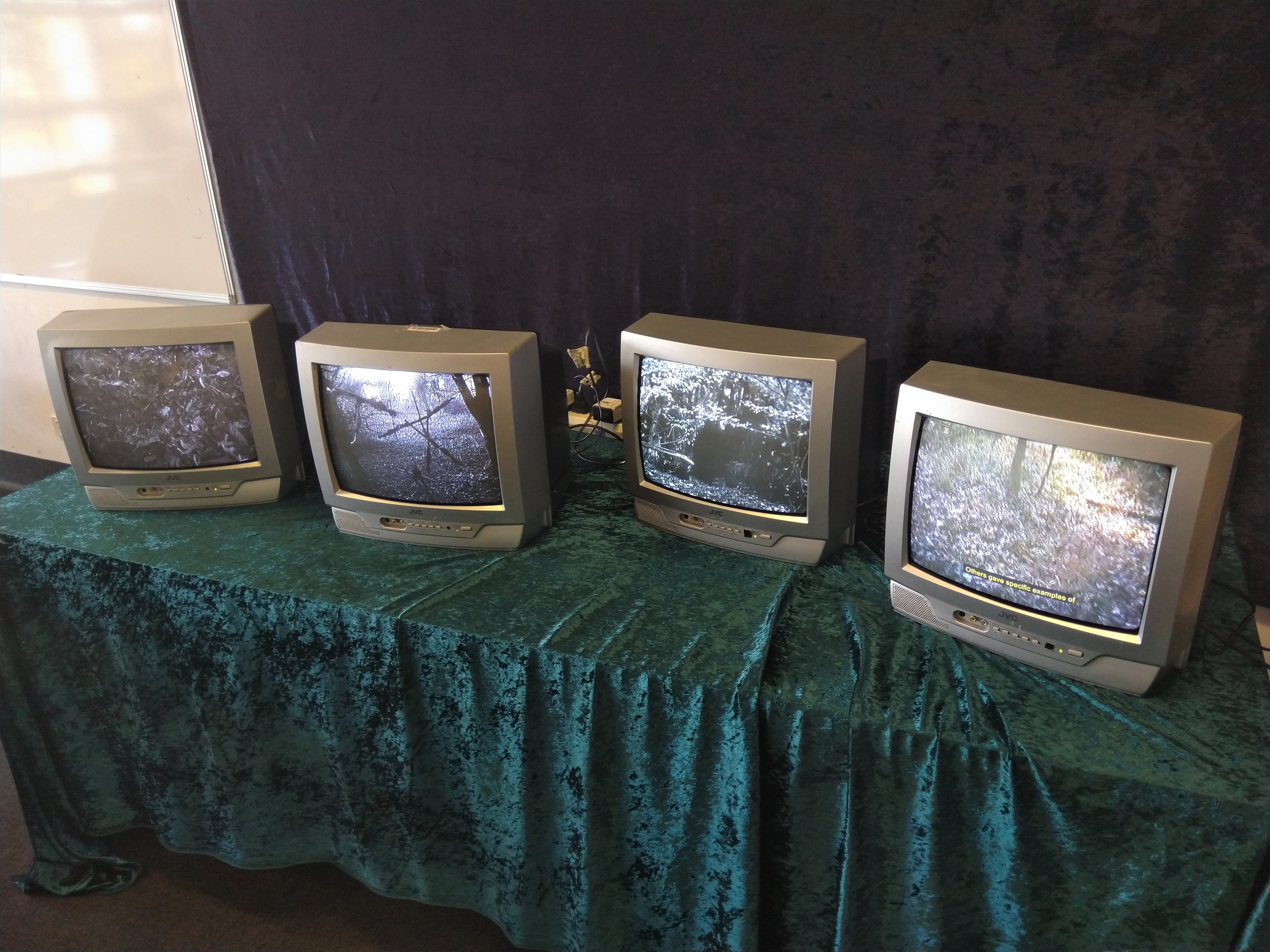


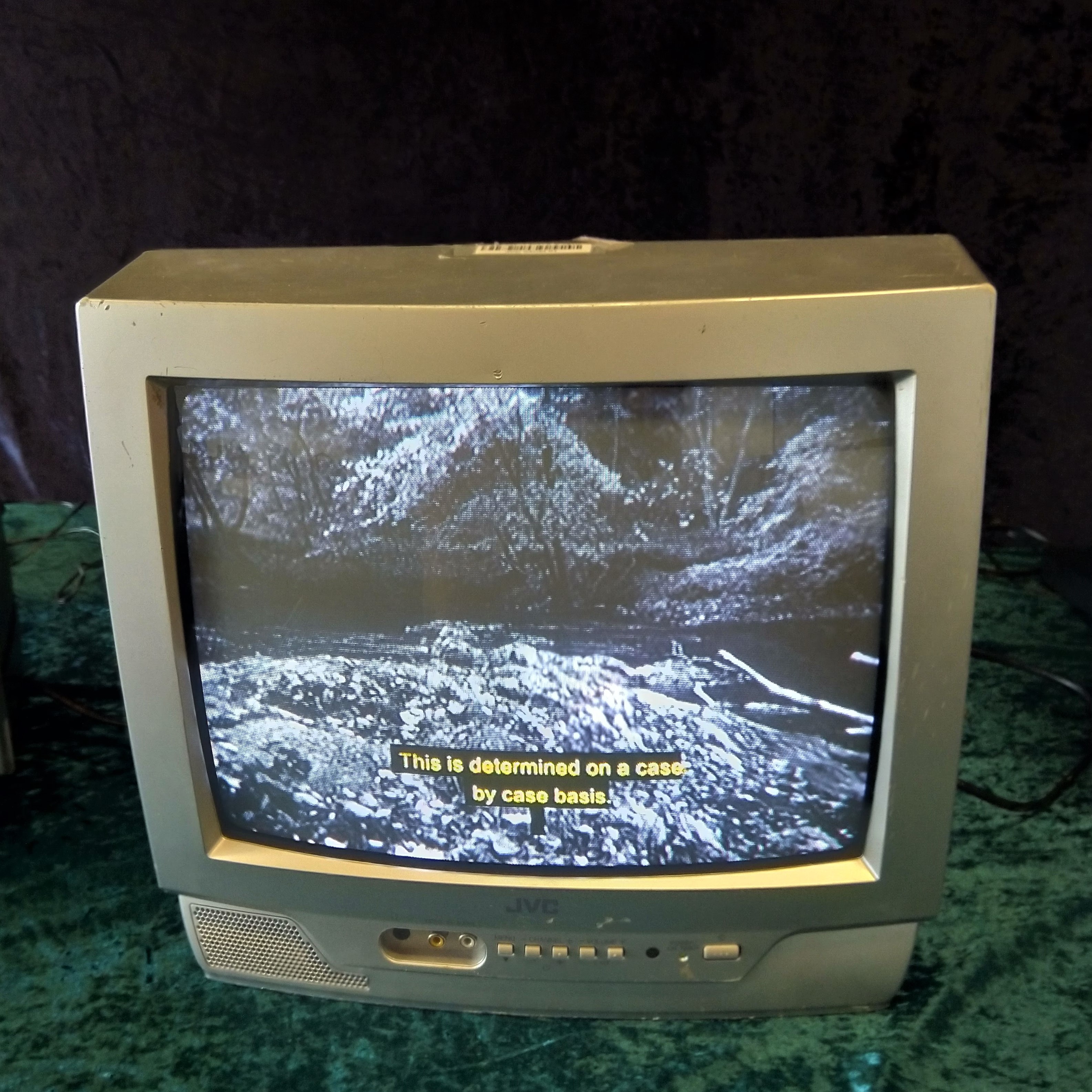
Installation style emphasising a sense of kitsch and evoking a feeling of older technology and datedness – emphasised by the use of CRT televisions and crushed velvet.
Fair Use In Australia
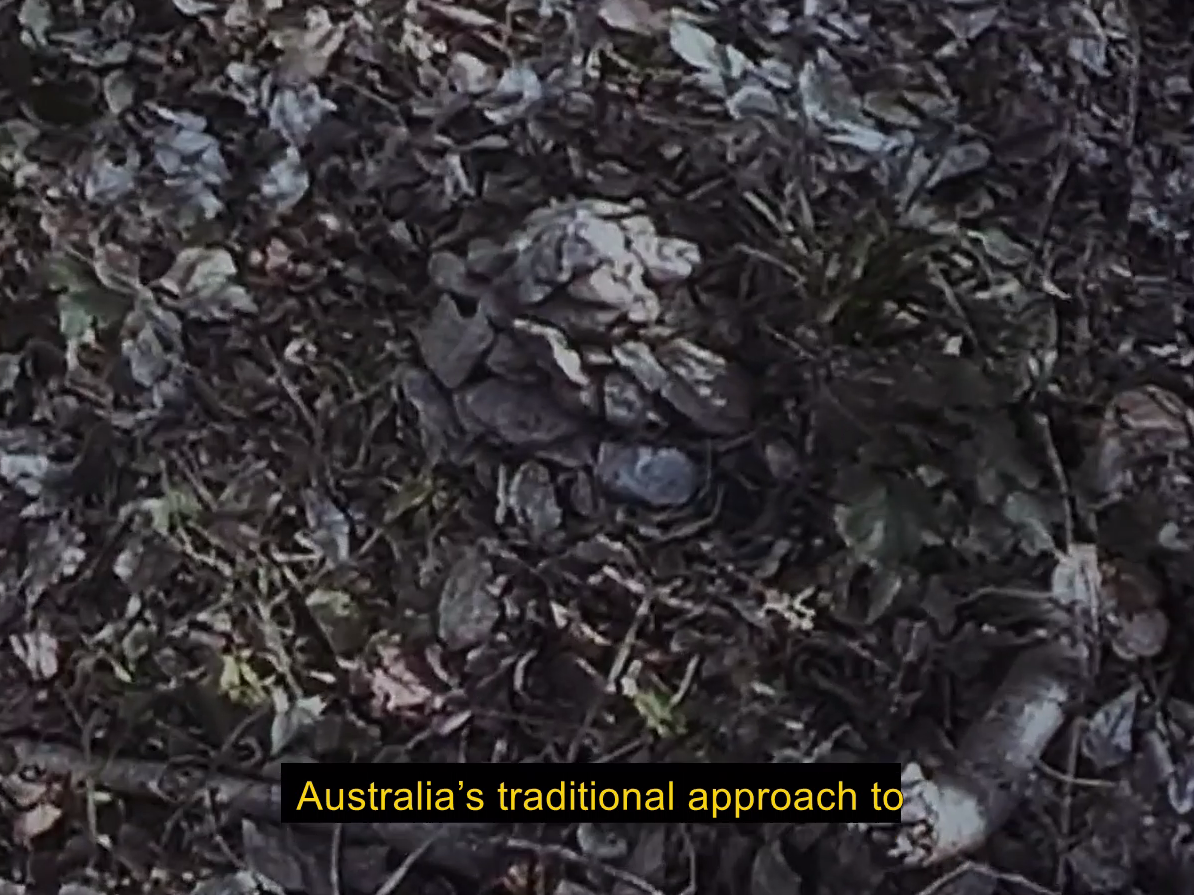
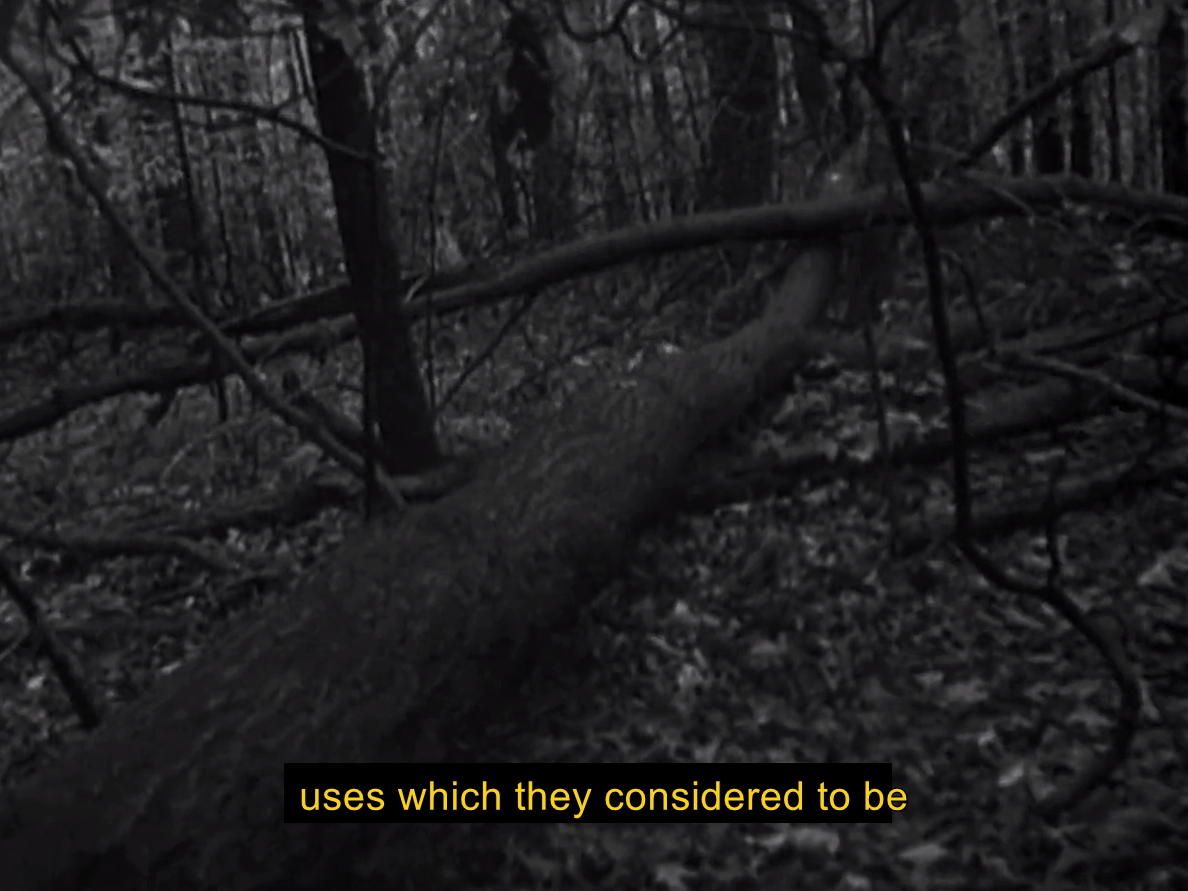
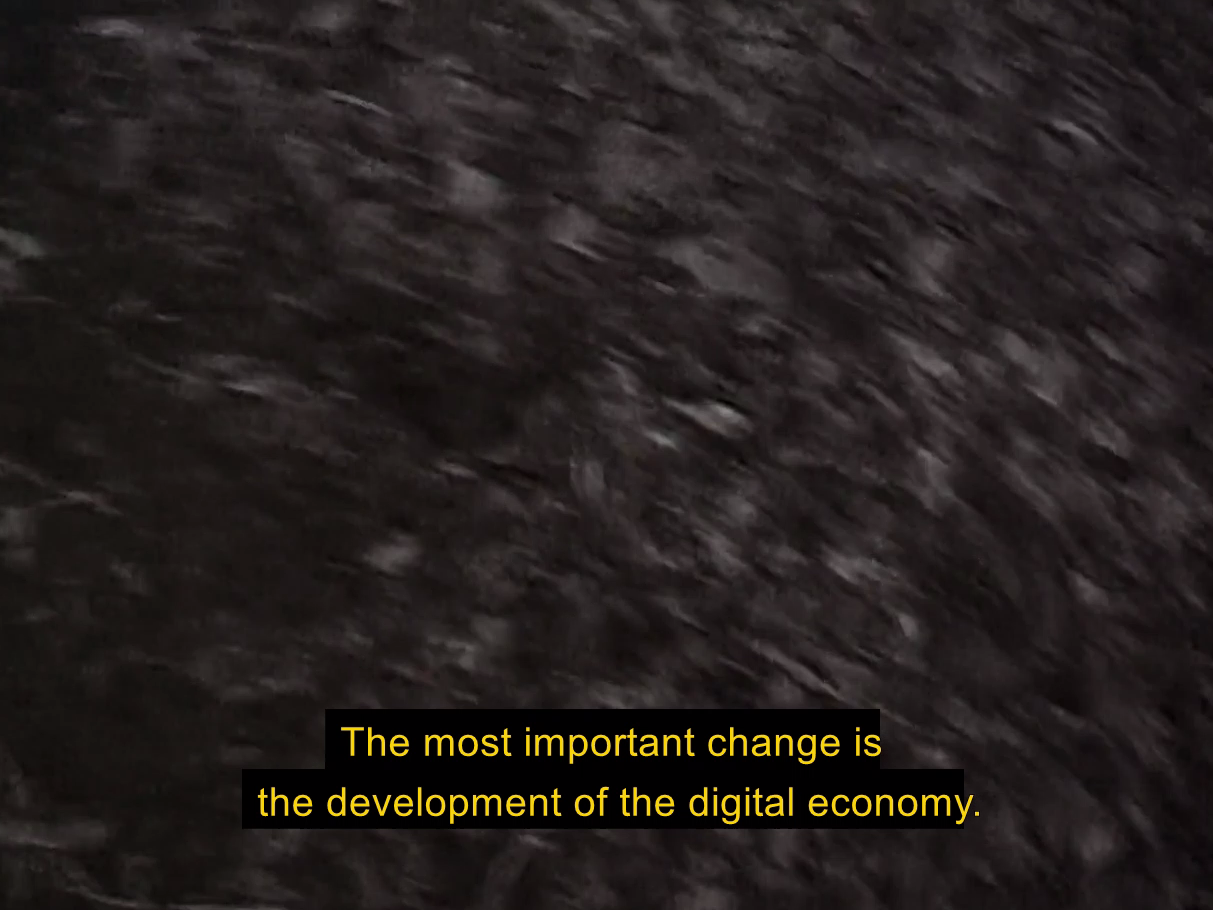
Decided that in order to elevate the work, it needed something beyond just the spliced imagery and after taking some time to think, the most effective way was through using text via subtitles.
I flirted with a few ideas, including appropriating poetry and so on, but eventually settled on taking a slightly satirical take to Australia’s fair use and copyright laws. I settled on this, as it ties directly into the medium of footage taken from a feature film.
The text I’m going to use is several sections of a document published by the Australian Law Reform Commission titled Copyright in the Digital Economy, published in 2013 as part of an ongoing discussion into Australia’s copyright laws and how they operate in the face of rapidly changing digital technologies.
By incorporating some passages from this legal document, this acts as a slightly tongue-in-cheek approach to the medium of video art using found footage, while also grounding the work in a contemporary issue which is deeply pertinent to all creative practitioners working in Australia.
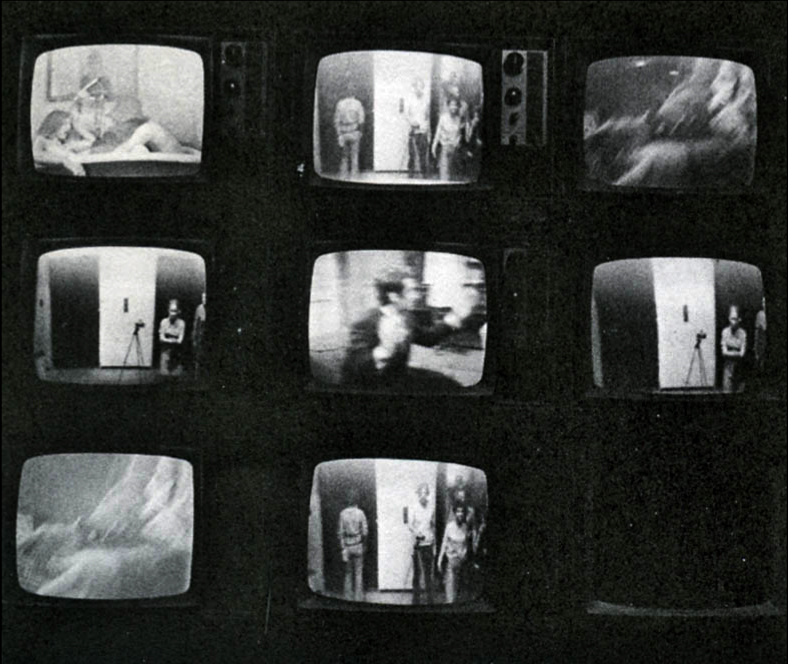
Wipe Cycle – Ira Schneider + Frank Gillette
Looking at video art and going back to one of the definitive video art references, especially for slow and multi channel works, which is what I’m looking at doing for my work.
Wipe Cycle is a multi channel video work using an extremely complex sequence, incorporating live feed video of the audience, as well as broadcast television sequences.
I’m currently looking at drawing influence from this work in the material nature of my work – using older TV monitors, multi-channel looped videos and so on.


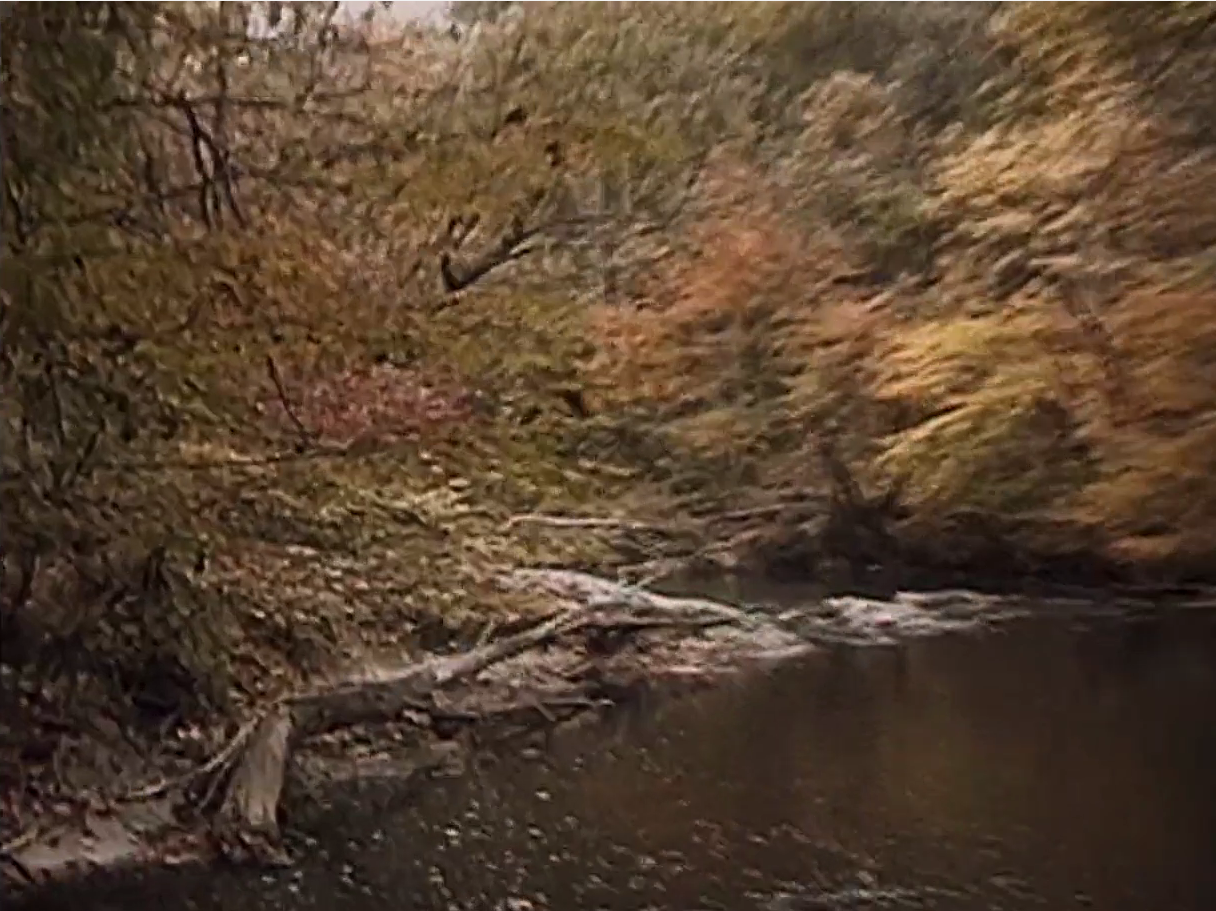
The Blair Witch Project (1999)
Decided to focus on the 1999 film The Blair Witch Project instead of slasher films and franchises. The Blair Witch Project benefits from a range of contextual information, including being the first film to be marketed on the internet, and considered to be an early iteration of viral marketing. This is despite being produced in the early days of the internet, significantly prior to the advent of social medias which are nowadays seen as the cornerstone of internet marketing and virality.
Most likely thinking about cutting the film up, removing references to plot and characters and focusing instead on the instances of the natural environment found in the film. This will hopefully direct the focus towards ideas around (natural?) public spaces such as national parks.
Updated Ideas
After some careful consideration, I’m thinking that perhaps slasher films aren’t the best approach. At this point in time, they feel somewhat restrictive, and not really expressing the ideas I feel I want to with this project.
I’m also re-evaluating whether wood is the correct materiality for this project. Obviously budget considerations are never the best way to deal with a project, but unfortunately wood appears to be a very expensive and very time consuming medium to get correct. Ideally, I would love to use some very large and thick pieces of pine wood, however these would be at least $99 per piece, if not more, putting it a bit out of my price range for this project.
Currently, I’m considering use video art. I still want to look at horror films and have a few options I’m thinking about and researching, and looking at films and cinema, using video art seems like a natural material form.
Early Idea
At this stage, the project is currently being envisioned as a photographic sculptural piece, using imagery taken from the Halloween film series.
Specifically looking at using close up shots of the serial killer’s victims at the moment they’re killed.
I’m wanting to deal with ideas of ‘death voyeurism’, how in horror films specifically death is dealt with as a spectacle, as opposed to how in life it’s often treated as deeply sacred.
I’m interested in contemporary ideas around true crime documentaries, and how this can be related to horror and slasher films of the 1970’s and 80’s.
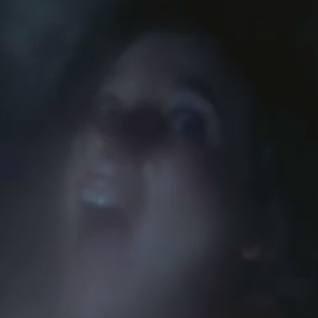
This image is a possible one of the images to be used – note the close cropping focusing on the face of the ‘victim’.
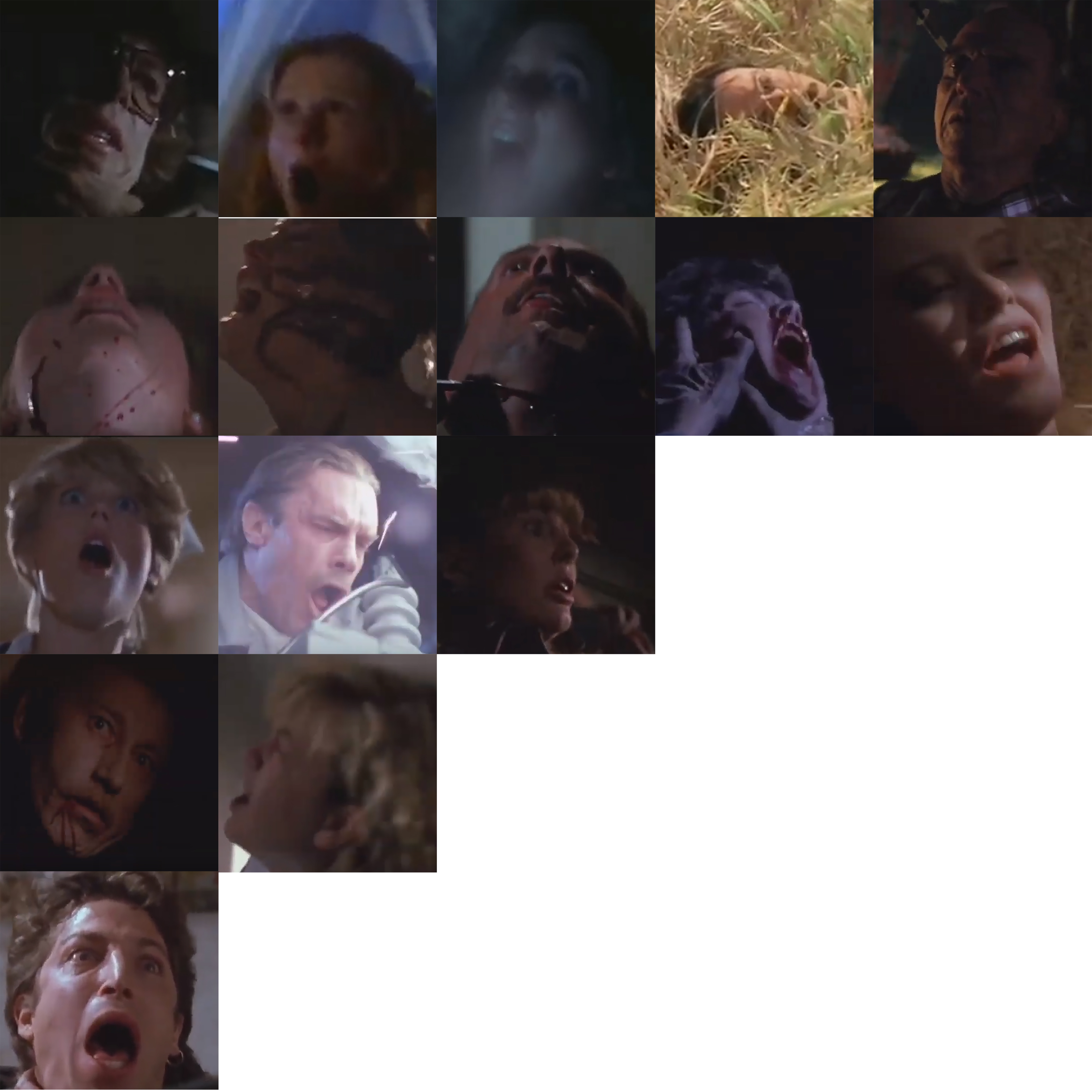
The above represents a starting mockup of what the imagery for the project might begin to look like, using equal sized square images arranged in a grid.
Potentially looking at suspending a wood block, with these images on one side and images of the killer on the other – exploring some notions of duality.
Artist: Rachel De Joode
Another artist I’m looking at heavily is Rachel De Joode, and especially her use of wood as photographic medium and approach to sculptural photography.
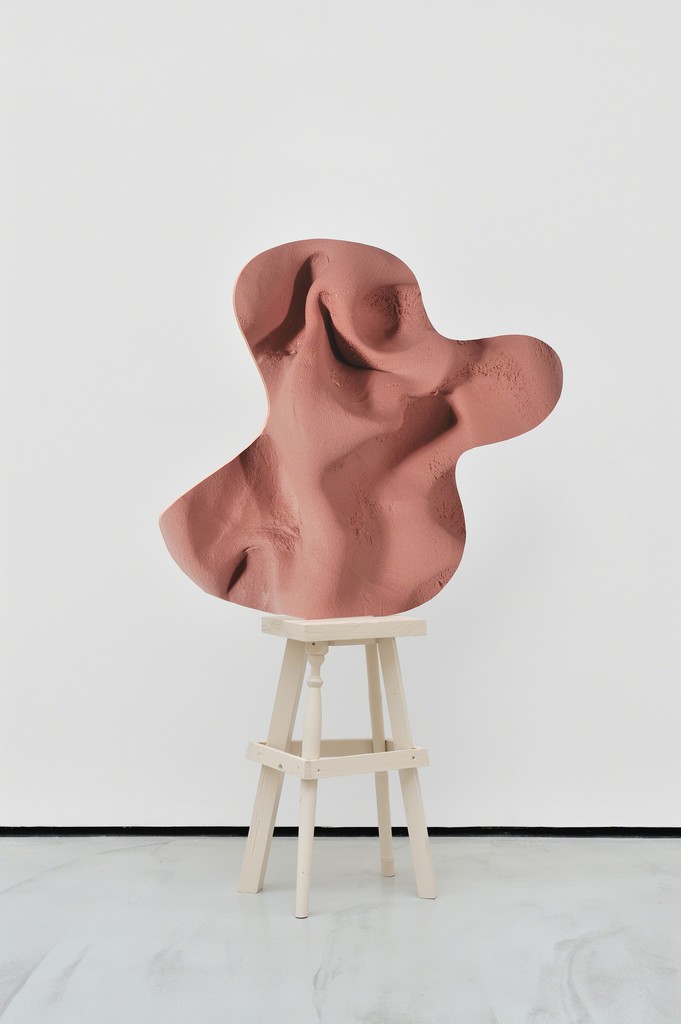
At this stage I’m also looking at using wood for my self directed project, potentially using DIY and lo-fi methods of adhering photographs to wood – image transfer, wheat-pasting etc.
Artist: Penelope Cain
Looking at local Australian artist Penelope Cain as an early reference point. Cain’s work with expanded photography seems particularly relevant to my ideas around sculptural photography and potentially using more obtuse materials as part of a wider photographic practice.
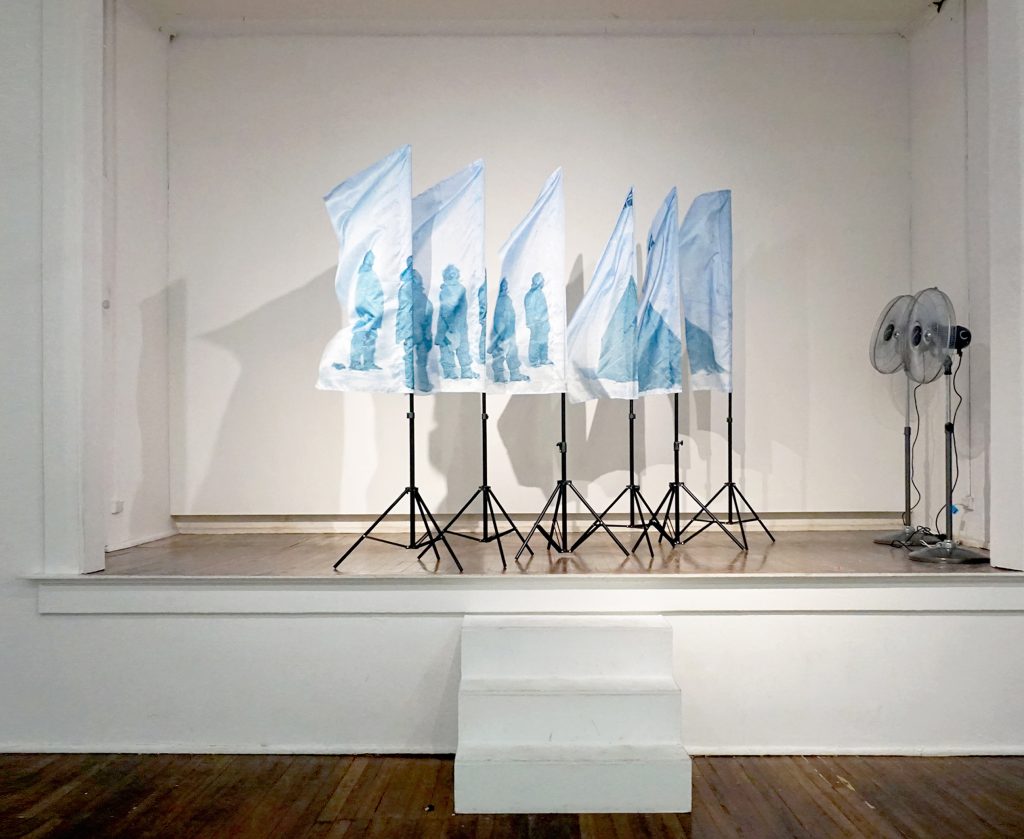
Particularly interested in the above work; The Pale Colour of Shadows on the Mid-Summer Snow, especially drawing on my own experiences using flags and fabric as a medium for photographic prints.
I’m also interested in Cain’s use of found imagery, in this case from the 1911 South Pole expeditions led by Norwegian explorer Roald Amundsen. The combination of found imagery and such a sculptural installation makes for a highly effective work, with a specific focus on the materiality of the photograph.
Install / In situ Photos
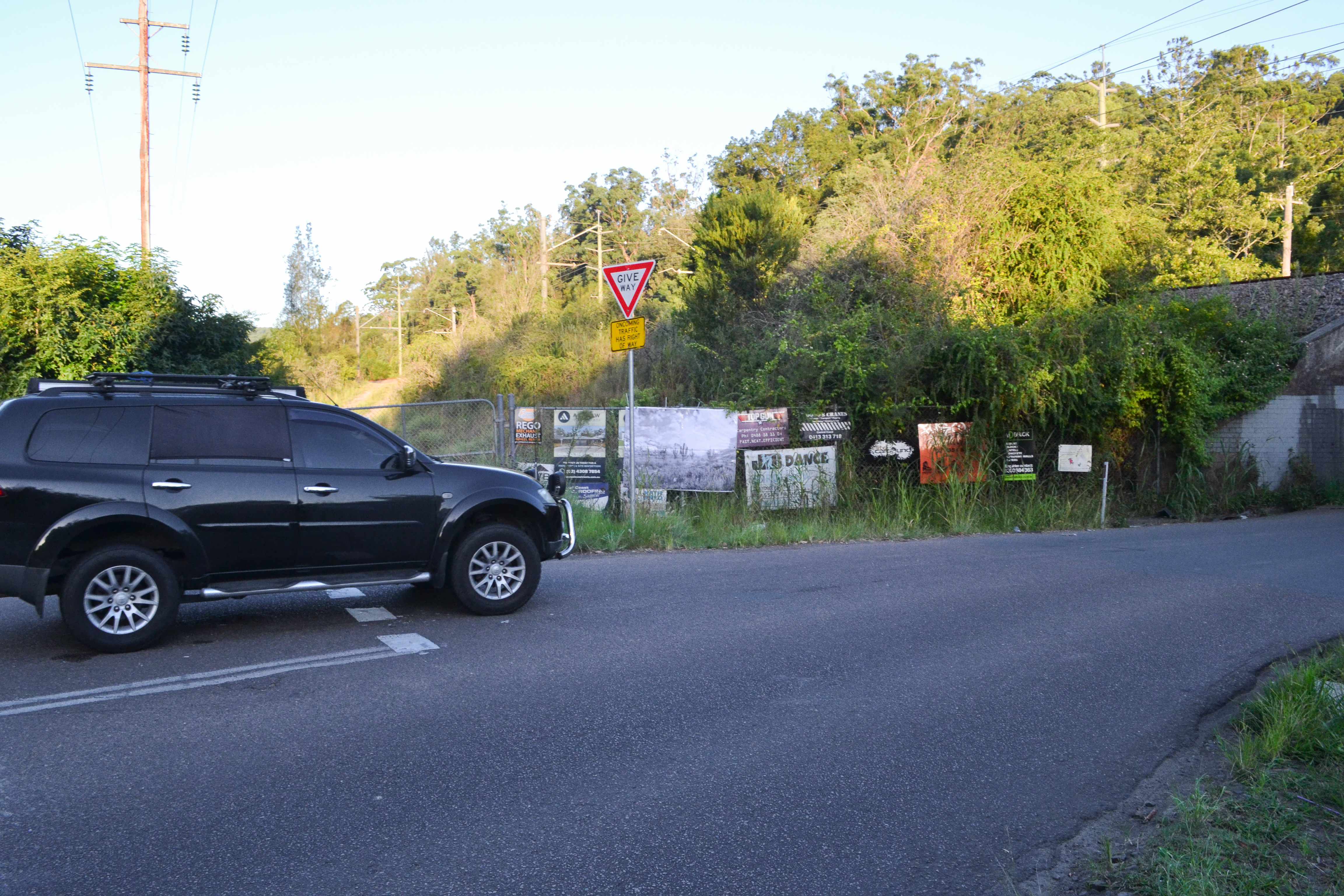
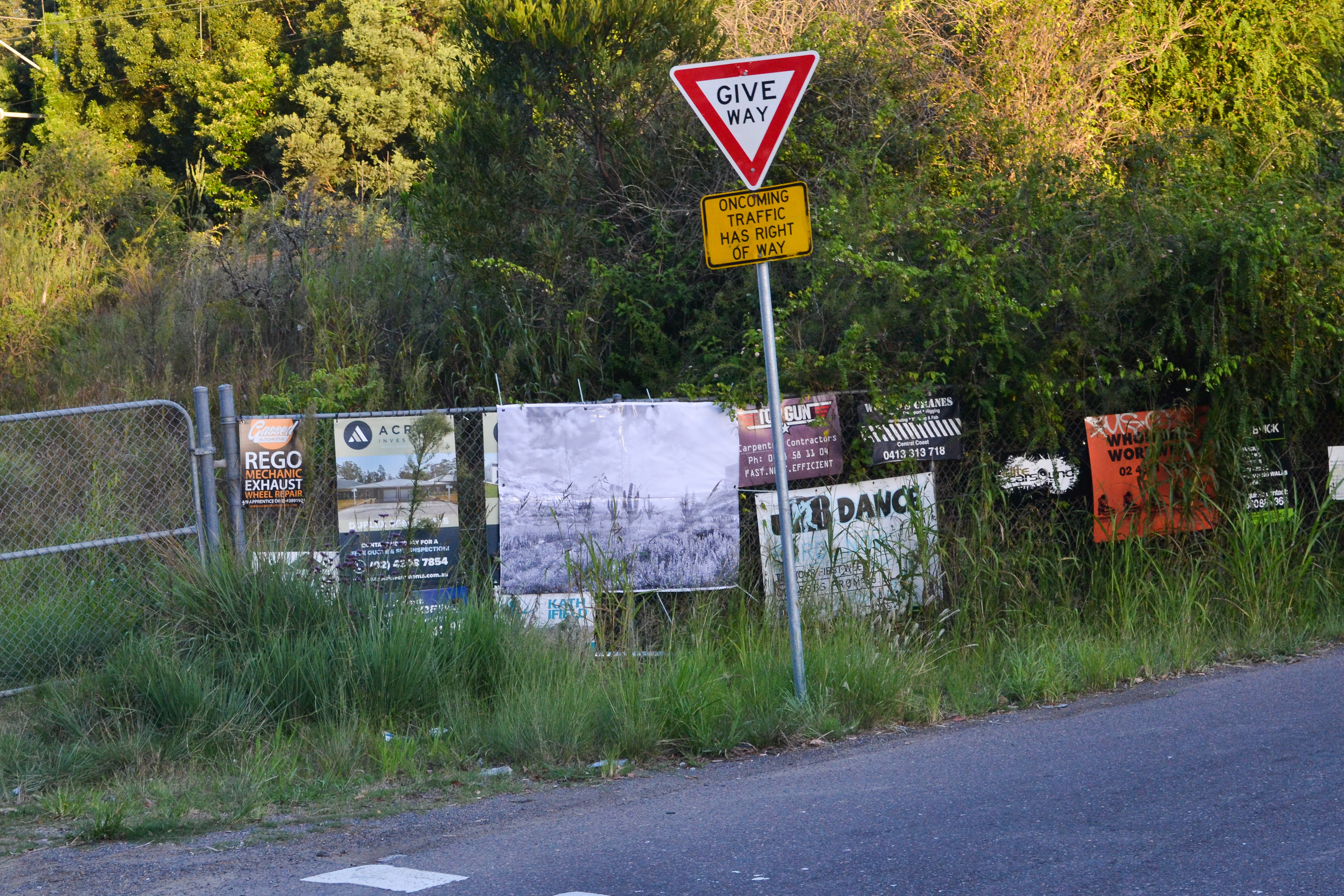
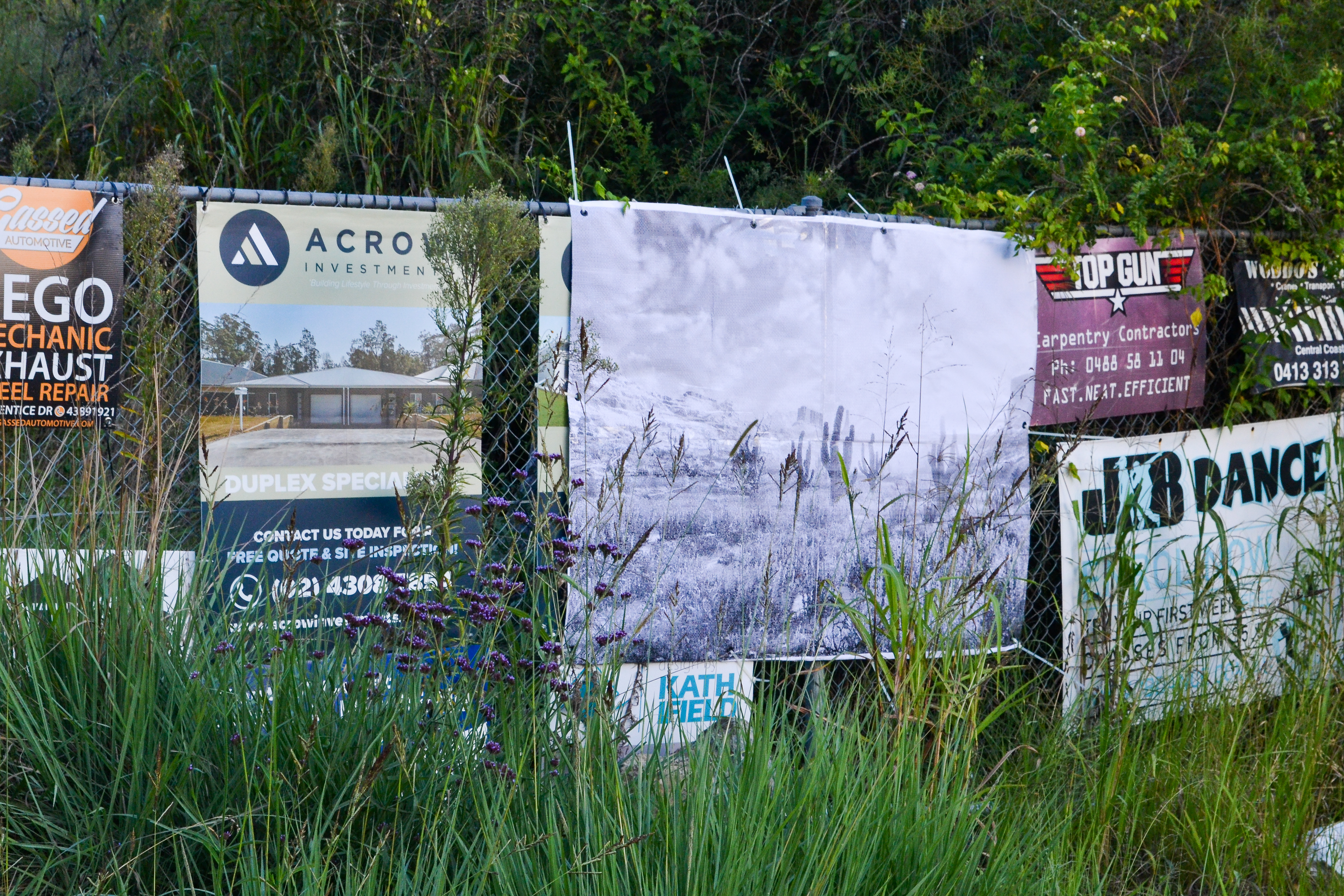
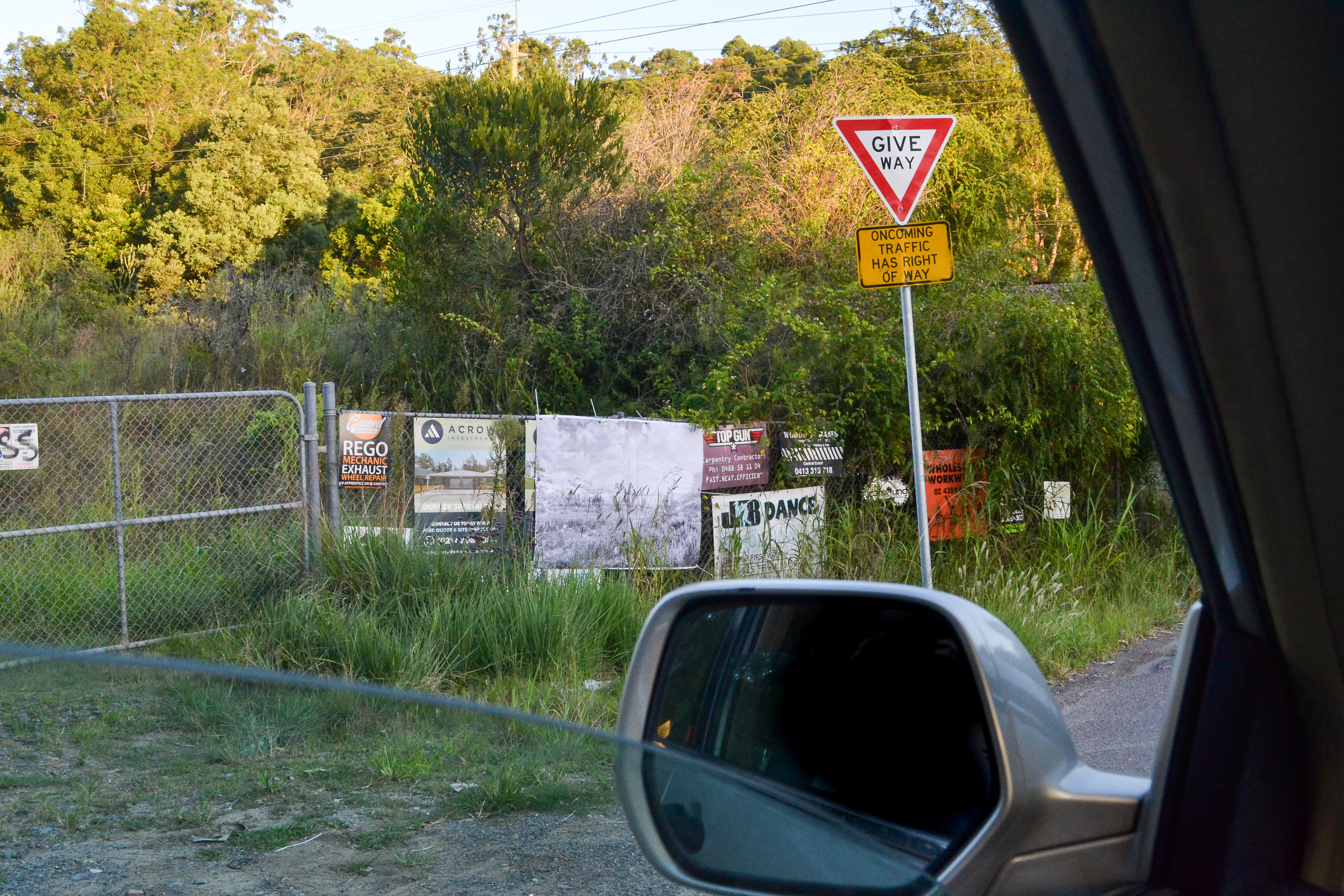
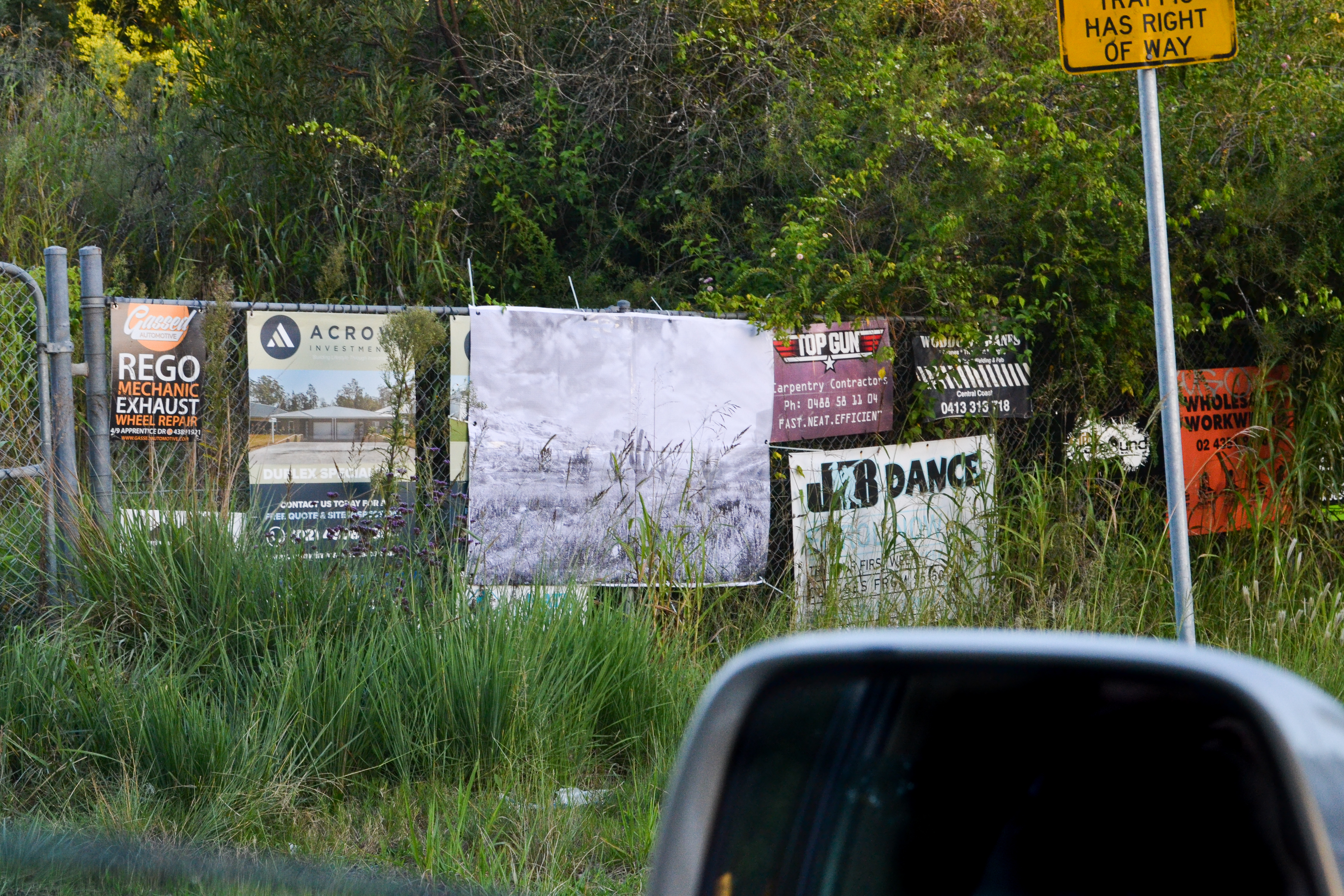
Installed the ‘billboard’ in a nearby location. The specific location already features a number of similar pieces of (brightly coloured) advertising, emphasising the location’s suitability to display an image with the intention to go viral. Positioned right near a give way sign, where traffic frequently banks up for extended periods, this encourages drivers and passengers to spend slightly longer with the images at this location – as opposed to just driving straight past quickly.