Final Image Selection

Chose to use a black & white image for the final piece primarily due to the ease in the printing process, as well as making the image stand out clearly against a coloured backdrop.

Further, chose to make the image into a halftone print – the original image was quite low resolution, unsuitable for printing at a very large scale (2m x 1.5m). A halftone print makes the image suitable for viewing from a distance – mimicking the process used to print extremely large billboards. At the size they are printed, billboards, which can be up to 12 metres wide, are generally extremely low print quality which would be noticeable if they were viewed up close. However, as they are designed to be viewed from a significant distance, the lack of print quality generally isn’t noticeable. This is a specific process reflected in the final piece.

The piece will be printed as 4 B0 sheets on 80gsm copy paper in black and white. The pieces will be taped together, and then taped onto backing cardboard (recycled of course) to help stabilise it. It will then have grommets added to the edges, so it can be cable tied to a fence or similar area, ready to viewed by the public.

Image to be printed – converted to black and white
The actual image to be printed – converted to black and white and then converted to a halftone print – contains no actual grey tones, just black dots of varying size.

Image Selection

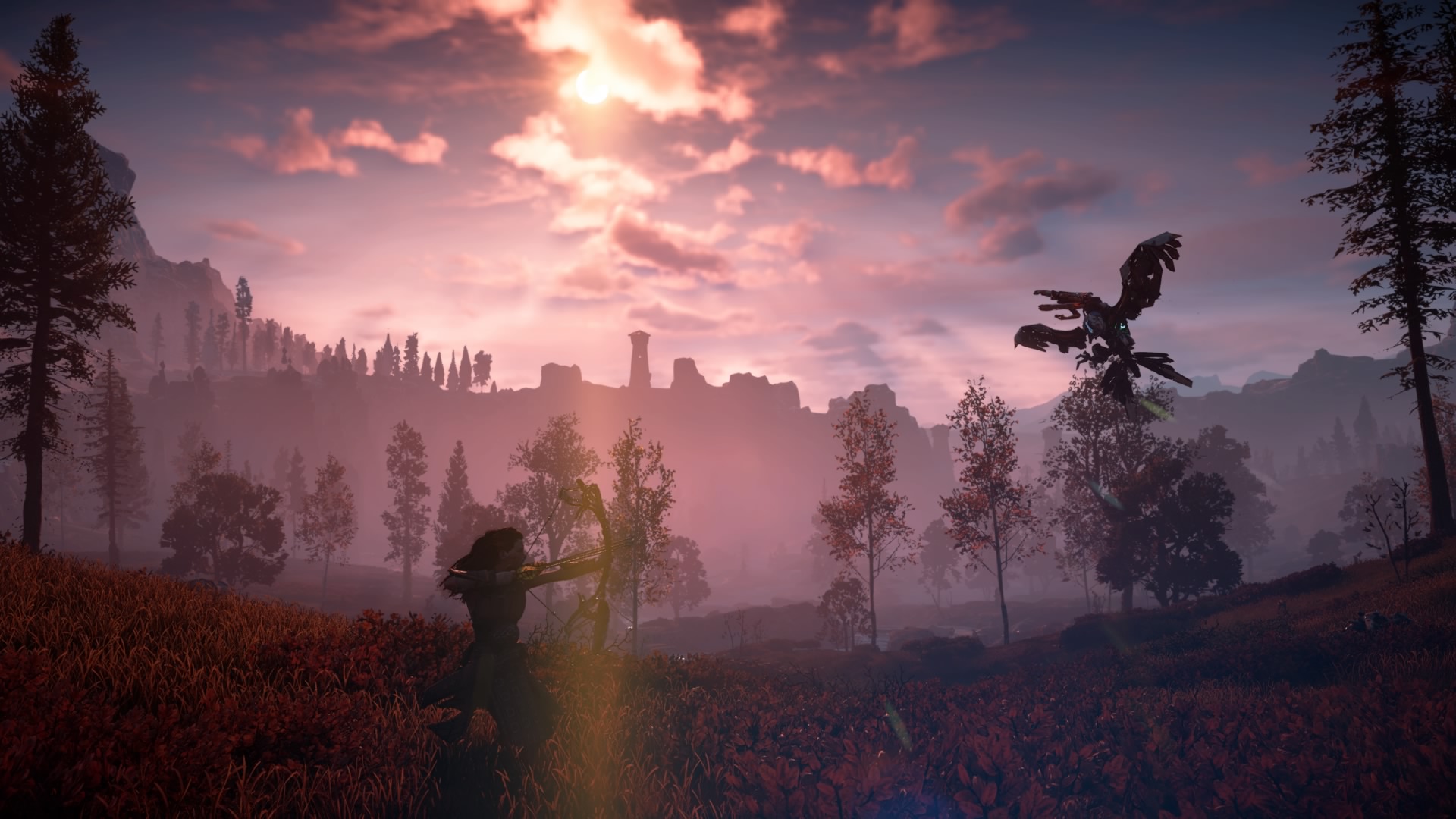
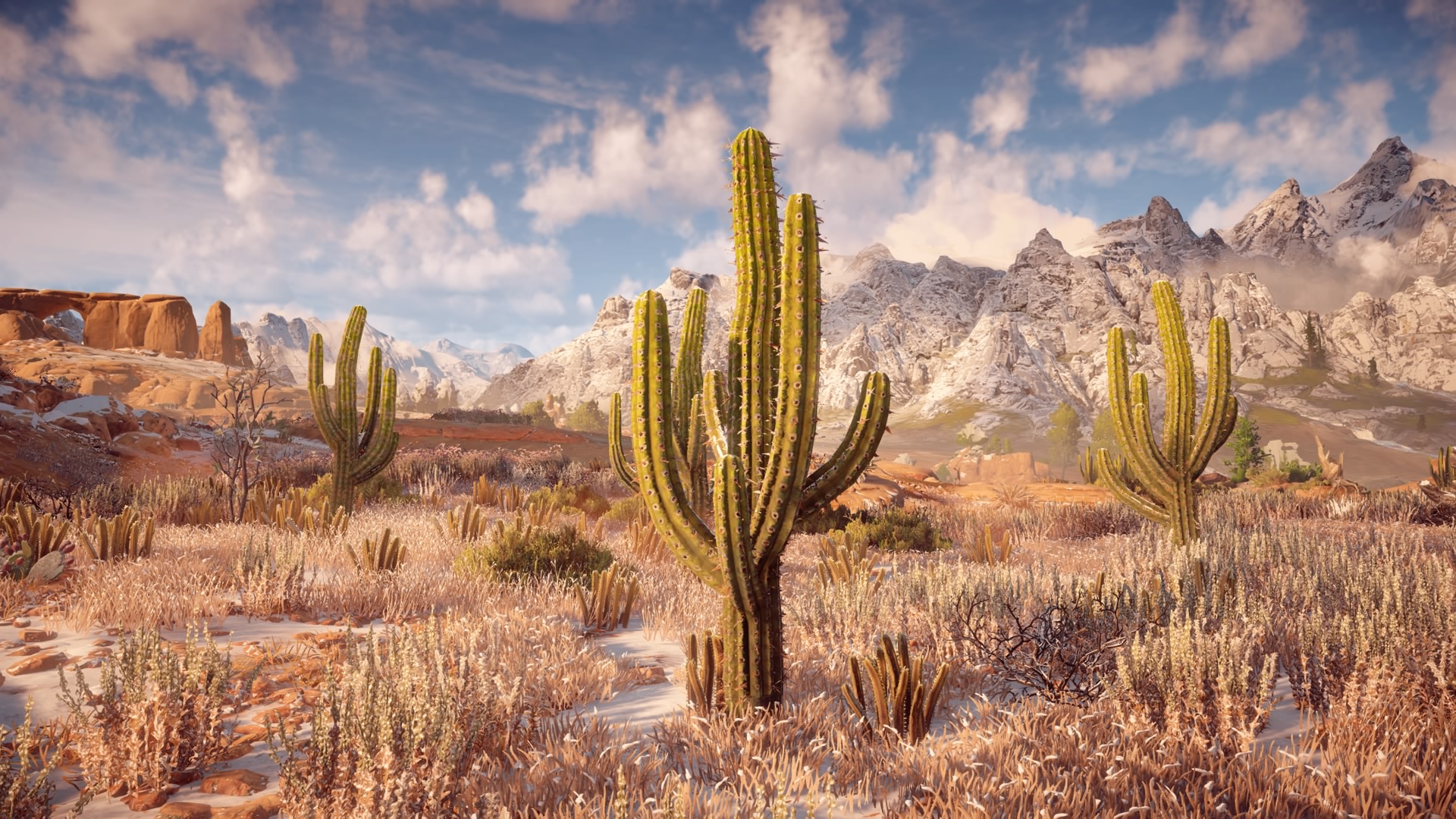
Settled on using an image of virtual (video-game) photography, primarily due to the ease of creation, as well as expressing a range of themes related to how video game worlds function as spaces.

Video game worlds also function interestingly in relation to public and private spaces. Online games can function as a shared space, whether with friends and acquaintances or with the general public, though for the most part, the individuals are all at home – in a private space. Therefore virtual worlds, especially online formats, develop a sense of dualism, allowing people to experience both a private and public space simultaneously. It could be argued this is true of most of the internet and social media when considered as a ‘space’, video games take this a step further by virtually creating a space that individuals can experience.

This kind of dualism between public and private also mimics the way cars function – as a kind of transitory space – not quite the privacy of one’s home, but also affording a distinct sense of privacy, separate from many other traditionally public spaces.

Below images drawn from the 2017 game Horizon: Zero Dawn and “taken” on a Playstation 4. All possible option to use as the viral image.

Nico Glaude – Site Specific Installations

Nico Glaude is a Canadian DIY artist living and working in Toronto. Glaude’s work takes the form of site specific installations, often made from found materials, especially cardboard. Glaude frequently shows his work as photographic documentations of the installations.

I’m particularly interested by his use of cardboard in making installations. Highly considering use cardboard as a backing material to make the billboard work as a physical object that won’t totally disintegrate immediately. Glaude has built the majority of his practice around DIY and lo-fi materials, acting as heavy inspiration for this particular projects physical outcome.

Some examples of Glaude’s work below, which frequently plays on notions of public spaces and advertising.

Location Scouting – Cowan Foot Track Overpass

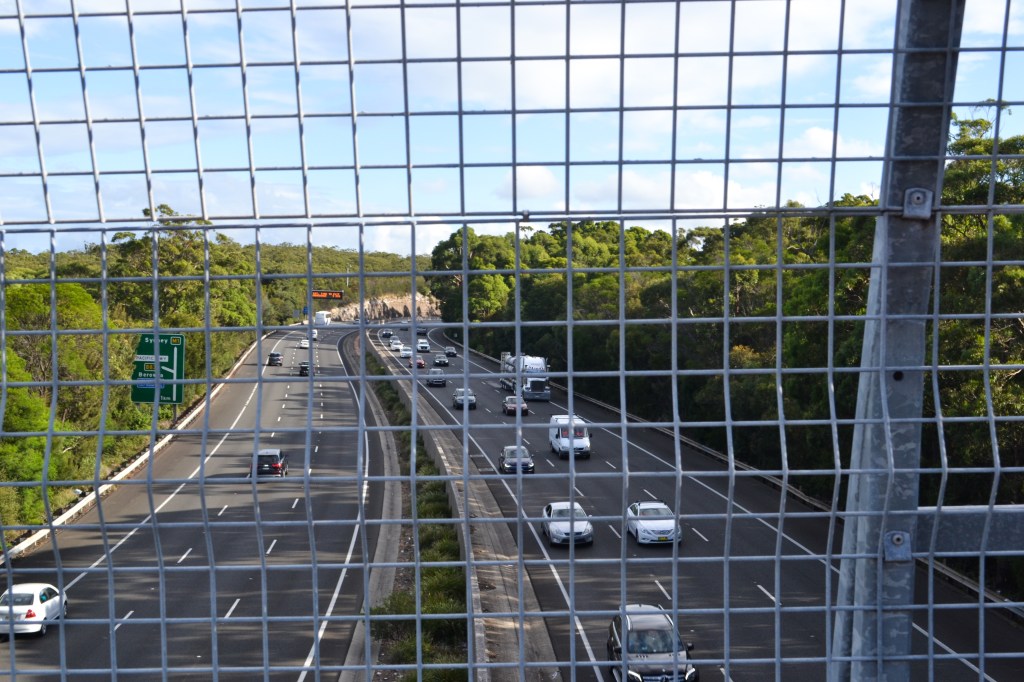
Did some location scouting at the foot track which passes over the M1 motorway near Cowan. Ultimately decided not to pursue this location due to the difficulty in attaching the piece so it would be visible to the passing commuters, as well as the distance to travel to the install site.

The M1 would still make a good location for possible future works to be placed – mostly due to the extremely high volume of daily traffic.

Billboards

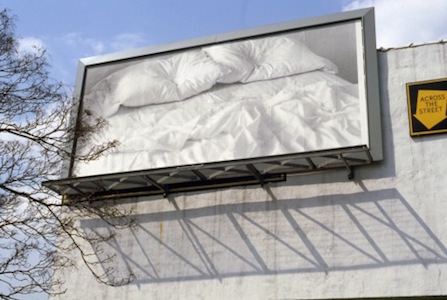
Looking at the idea of the dissemination of viral imagery in the physical world, and specifically looking at the work of artist Felix Gonzalez-Torres and his work with billboards.

Billboards have traditionally been the realm of advertisers trying to sell things to the public, however artists have, especially recently, use the medium of billboards to display works, engaging with a wide audience in a form of public art.

I’m also interested in the idea of viral images which don’t necessarily invite a response. Billboards are designed to be seen by very large amounts of people and, generally, inspire those people to interact by way of making a purchase or engaging with the service advertised. However with Gonzalez Torres’ work in particular, the notion of the interaction is heavily subverted, wherein an audience cannot purchase anything related to the billboard, they can only view it.

Most likely going to follow through with this idea and produce a billboard-like piece for assessment.

Some examples below of Gonzalez-Torres billboard works. Particular emphasis is placed on their stark simplicity when compared with the highly graphic nature of traditional advertising billboards.